
 Your Pakistan. Your Journey.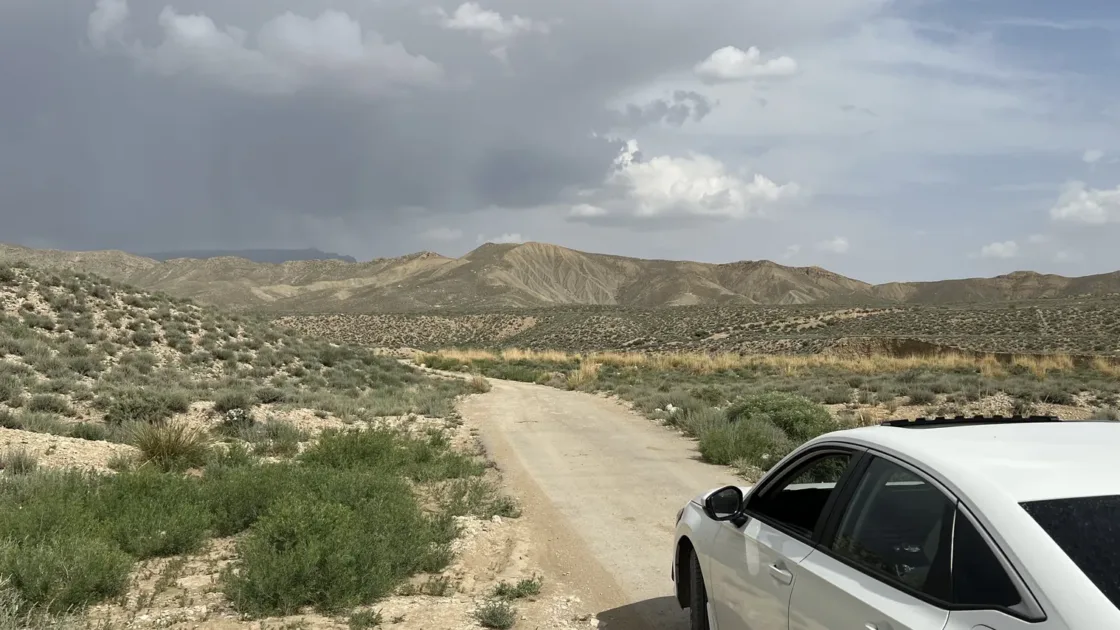
This page is different from the rest of the site, and it should be. Quetta is not a destination we can write about the way we write about Lahore or Multan, because the first question is not how long the journey takes. It is whether the journey should be made at all, and whether you are permitted to make it.
The current position on travel to Balochistan
The UK Foreign, Commonwealth and Development Office advises against all travel to Balochistan Province. Not parts of it, and not on a district-by-district basis: the whole province, which includes Quetta. It cites kidnapping risk and militant activity across the region. Checked against gov.uk on 1 September 2026.
That is the strongest level of advice the FCDO issues, and Balochistan is one of only a handful of places in Pakistan that carries it province-wide. It is advice to British nationals rather than a legal bar, and it says nothing about Pakistani nationals or residents. For a foreign passport holder the practical consequences are real: travel against FCDO advice could invalidate your travel insurance, and consular assistance is limited.
Rail into and through Balochistan carries its own recent history, including the hijacking of the Jaffar Express in 2025 and the Quetta train bombing in 2026. If you are considering rail as an option in this province, read the current advice before you do.
None of that is written to alarm anyone. It is written because a transport company that publishes journey times for Quetta without publishing this is not giving you the information you actually need.
What we will do, and what we will not
We will not accept a booking in Balochistan that requires a permit you do not hold, and we will not send a driver somewhere current advice says they should not go. If you ask us for a journey here, expect a direct answer about whether we will drive it, and expect that answer before you have paid anything.
If you do have permission
Where a journey is permitted and appropriate, the practical considerations are the ones the FCDO itself sets out. Outside the major motorways, road quality across Pakistan is variable. Local driving standards are described as erratic, particularly at night. In mountainous regions the recommendation is to use experienced local drivers. Balochistan is the province where all three of those apply at once, and where distances between settlements are longest.
That means a Quetta booking is a planned journey rather than a ride: a vehicle chosen for the road rather than the price, a driver who knows the route, daylight running wherever possible, and an itinerary with slack in it. It also means we will ask more questions when you book than we would for a run across Lahore, including about your permissions and your documentation.
Practical points
For a long-distance journey to or within Balochistan, check current official travel advice, road conditions, connectivity, fuel availability and operator serviceability before setting off. Airport facilities and app coverage vary; arrange a reliable contact and payment plan for the specific route rather than assuming the same options work everywhere.
If you are planning travel here, contact us with the destination, the dates, your nationality and what permissions you hold or expect to obtain, and we will tell you honestly what is possible.
Enter your exact pickup address and Pakistan-local time to see the fare and book. You pay at secure checkout, and your card is only charged once the vehicle and driver are confirmed.
The journey in figures
- Before anything else
- Check current Foreign Office advice for Balochistan
- UK travel advice
- Against ALL travel to Balochistan Province, including Quetta, checked 1 September 2026
Before you plan this journey UK Foreign Office advice, checked 1 September 2026, advises against ALL travel to Balochistan Province as a whole, which includes Quetta, citing kidnapping risk and militant activity. That is the strongest level of advice it issues. It is advice to British nationals rather than a legal bar and does not apply to Pakistani nationals or residents, but travel against FCDO advice could invalidate your travel insurance and consular assistance is limited. Rail into Balochistan carries its own recent history. Tell us the destination and the dates first and we will give you a straight answer about whether we will drive it.
Which vehicle actually fits
These model examples do not confirm the capacity or availability of a particular vehicle. Give the passenger count and the number and size of bags, and check the approved vehicle variation before confirmation.
- Suzuki WagonR 3 passengers, 2 cases Short city transfers on a budget. The tall boot helps more than the engine does.
- Toyota Yaris or Corolla 3 to 4 passengers, 2 to 3 large cases The workhorse. City work, airport transfers and the motorway run between Lahore and Islamabad.
- Honda BR-V 5 passengers with luggage, or 7 with almost none Family airport transfers on paved routes. The third row eats the boot, so it suits children or short hops rather than seven adults with cases. Not a mountain vehicle.
- Toyota Fortuner 5 passengers with full luggage, 7 travelling light For a mountain itinerary, confirm the actual vehicle variation, drivetrain and current route suitability before booking.
- Toyota Land Cruiser 4 to 5 passengers with full luggage Confirm the actual vehicle variation, passenger and luggage fit, and current route suitability before booking.
- Toyota Hiace Grand Cabin 13 passengers plus the driver The group and family vehicle. Gulf arrivals into Sialkot and Peshawar with heavy luggage, tour groups, weddings, long intercity runs.
- Toyota Coaster 25 to 29 passengers with hold luggage For a group journey, confirm the actual vehicle capacity and whether the accepted fare includes tolls.
How booking works
- 01 Tell us the journey Where from, where to, when, how many of you and how much luggage. Precise addresses matter more than you would think, because a Rawalpindi address and an Islamabad address twenty minutes apart are very different journeys.
- 02 Review the fare or quote Where offered, online fares and written quotes show the journey and vehicle class they cover. Check tolls, waiting time and extras before you confirm.
- 03 Check your confirmed details Keep your booking reference or written quote. Confirm the vehicle, driver where applicable, and pickup or collection instructions before travel.
- 04 You travel Follow the confirmed meeting or collection instructions. Check the vehicle and, where a driver is provided, their identity before starting.
Frequently asked questions
What does the UK government say about Quetta?
It advises against all travel to Balochistan Province as a whole, which includes Quetta, citing kidnapping risk and militant activity. That is the strongest level of advice it issues. Checked on 1 September 2026.
Does that stop me travelling there?
It is advice to British nationals rather than a legal restriction, and it does not apply to Pakistani nationals or residents. But travel against FCDO advice could invalidate your travel insurance and consular assistance is limited, so establish your position before you plan anything.
Will you drive anywhere in Balochistan?
No. We will not accept a booking that requires a permit you do not hold, and we will not send a driver somewhere current advice says they should not go.
Can you obtain a No Objection Certificate for me?
No. An NOC is issued by the Ministry of Interior to the traveller, not to a transport company. We cannot obtain one on your behalf.
What are the roads like?
The FCDO’s general position is that outside the major motorways road quality across Pakistan is variable and local driving standards are erratic, particularly at night. In mountainous regions it recommends using experienced local drivers. Balochistan is where all of that applies at once.
Is the train an alternative?
Rail in Balochistan carries a distinct recent security history, including the 2025 Jaffar Express hijacking and the 2026 Quetta train bombing. Read current advice before treating it as an option.
Do you drive at night in Balochistan?
We plan for daylight running wherever possible. Distances between settlements are long and night driving raises the risk on exactly the roads where it is already highest.
What will you ask me when you book?
More than we would for a city journey: your destination, dates, nationality, and what permissions you hold or expect to obtain. We would rather establish that before anyone commits to anything.
Do ride-hailing apps work here?
Coverage is thinnest in exactly the places where the roads are hardest. Uber and Careem no longer operate ride-hailing anywhere in Pakistan.
Will my phone work when I land?
Check the current airport connectivity, mobile data and payment options for your arrival. Arrange a fallback contact plan before relying on an app pickup.
Can you quote a journey time?
Only once we know the exact route and whether it is one we will drive. Publishing journey times for this province without the permissions position first would be misleading.
Is the price fixed?
The accepted fare covers the agreed journey and the inclusions stated in your booking or written quote. Changes to the route, time, stops or vehicle require an agreed revised fare before travel.
Tell us the journey and we will price it
Send the route, date, passenger count and luggage details. We will show an available live price or prepare a quote with the vehicle class and terms it assumes. Check the final offer before confirming; if the journey is unavailable, we will tell you.