Yango or inDrive: which is better in Pakistan? For a short hop across Lahore, Karachi or Islamabad with a local SIM and a light bag, the honest answer is that it depends on how you like to pay. Yango shows a fixed price before you confirm; inDrive asks you to propose a fare and lets drivers accept or counter. Yango’s Pakistan page lists six cities, while inDrive’s lists twelve (it counts Islamabad-Rawalpindi as one), including Sialkot, Hyderabad and Bahawalpur. For a first ride out of an international arrivals hall, especially late at night with family and four suitcases, neither app is the obvious tool. The UK government’s travel advice for Pakistan tells visitors to avoid online apps for taxi services and to use reputable, licensed companies where an operator dispatches the driver. That single line changes the calculation for many overseas travellers, so this guide weighs both apps fairly and then sets out where a prebooked arrival car makes more sense.
The short decision summary
The choice is less about which app is “better” and more about the job in front of you.
- Pick Yango when you want the price settled before the car moves, you are in one of its listed cities, and you are happy with a standard saloon or a hatchback.
- Pick inDrive when you are comfortable negotiating, you are in a city Yango does not list, or you want the option of an intercity ride through its City to City service.
- Pick neither for an international arrival where the flight may run late, the group is large, the luggage is heavy, or the passenger is an elderly parent landing alone. That is a planning problem, not a hailing problem.
One more framing point. Pakistan’s app market has thinned out. Uber ceased ride-hailing in Pakistan in April 2024, and Careem ended its ride-hailing service on 18 July 2025, according to Dawn’s report on the Careem announcement. Careem’s chief executive cited a challenging macroeconomic reality, intensifying competition and global capital allocation. Careem said its food, grocery and payments services would continue. So when people search “yango vs indrive in pakistan”, they are usually comparing the two apps that remain in the headline ride-hailing space, not choosing from a crowded field.
How the two pricing models actually work
This is the core difference, and it matters more than any interface detail.
Yango: the price comes first
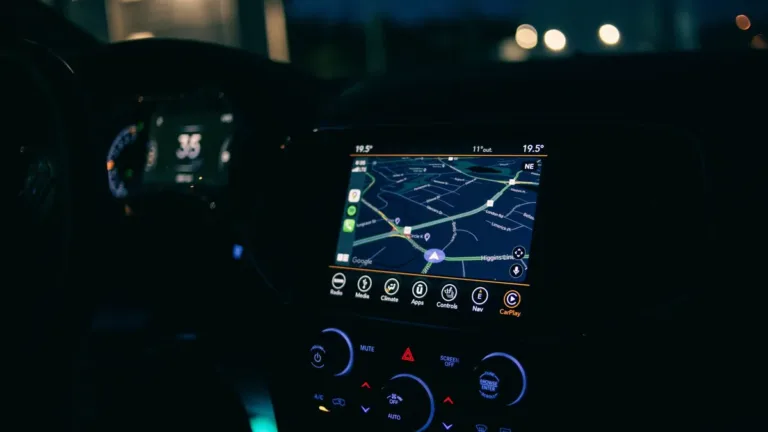
Yango’s Pakistan site describes its model as upfront pricing: you enter a destination, the fare appears, and you confirm. In its own words, “No more negotiating — the price is fixed from the beginning.” It accepts cash and cards, naming Visa and Mastercard. For a visitor who does not yet know what a fair fare from DHA to Gulberg looks like, a number on screen before the ride is reassuring. You know what you are committing to, and there is nothing to haggle over at the kerb.
The trade-off is that you have no lever. If the displayed price feels high at a busy hour, your only options are to accept, wait and re-check, or walk away.
inDrive: you name a figure, drivers respond
inDrive works the other way round. Its model, as described in its public materials and on Wikipedia, is peer-to-peer: the passenger proposes a fare and drivers can accept it or counter with their own. Its Pakistan page sums it up as “fair rides for the price you both agree on.” Payment goes directly from passenger to driver, in cash or non-cash settlement, and the platform takes a commission from the driver side.
The upside is control. A regular commuter who knows a route well can offer a sensible figure and often get it. The downside is the reverse of that: if you do not know the local going rate, you are guessing. Offer too little and no one bites; offer too much and you have overpaid by your own hand. For someone jet-lagged at 2am, that is a small but real cognitive load.
Yango or inDrive: which is better in Pakistan, city by city
Coverage is where the two apps diverge most sharply, and it is the first thing to check before you land. Based on each company’s Pakistan page at the time of writing:
| City | Yango lists it | inDrive lists it |
|---|---|---|
| Lahore | Yes | Yes |
| Karachi | Yes | Yes |
| Islamabad | Yes | Yes (as Islamabad-Rawalpindi) |
| Rawalpindi | Yes | Yes (as Islamabad-Rawalpindi) |
| Faisalabad | Yes | Yes |
| Multan | Yes | Yes |
| Sialkot | Not listed | Yes |
| Hyderabad | Not listed | Yes |
| Peshawar | Not listed | Yes |
| Gujranwala, Sargodha, Bahawalpur, Abbottabad | Not listed | Yes |
Two cautions on reading that table. First, city lists change, so re-check both apps the week you travel. Second, “listed” does not mean “plentiful at 3am on a wet Tuesday”. Driver supply in a smaller city can be thin, and neither company publishes live availability by district.
A practical example: a family flying into Sialkot for a wedding in the district would find inDrive listed for Sialkot and Yango not. A businessperson based in Gulberg, Lahore, making three short trips a day, has both to choose from and can simply compare the Yango price against what an inDrive offer attracts.
The Peshawar row needs a separate note. The UK Foreign, Commonwealth and Development Office advises against all travel to Peshawar, including the city itself, and to other listed parts of Khyber Pakhtunkhwa, with all-but-essential warnings for further districts, on its Pakistan travel advice page. Abbottabad is also in that province, so check the district-level detail. An app listing a city says nothing about whether you should go there. British nationals, and anyone relying on UK-issued travel insurance, should read that advice before planning any movement in the province.
What the travel advisory says about apps
The FCDO’s safety and security guidance for Pakistan says: “Avoid using street taxis, e-taxis. or online apps for taxi services. Only use taxis from reputable, licensed companies where you call for a taxi and the operator contacts a taxi driver.” The same page also advises caution when moving around urban areas at night, especially on foot, and warns against the Metro Bus between Rawalpindi and Islamabad on crime grounds.
Plenty of residents use both apps every day without incident, and the advice is written for British travellers rather than Pakistani citizens. Still, if you are a UK visitor, a second-generation British Pakistani on a first trip, or you are arranging a ride for elderly relatives, you should weigh it. The advice favours an arrangement where a known operator stands between you and the driver, which is a different model from both Yango and inDrive.
Islamabad, Rawalpindi, Lahore and Karachi city are not among the areas the FCDO advises against travelling to, though it does flag protests and possible disruption in Islamabad, Rawalpindi and other cities. Check the page close to your date; it is updated often.
Yango Pakistan airport pickup: what to expect at Islamabad and Lahore
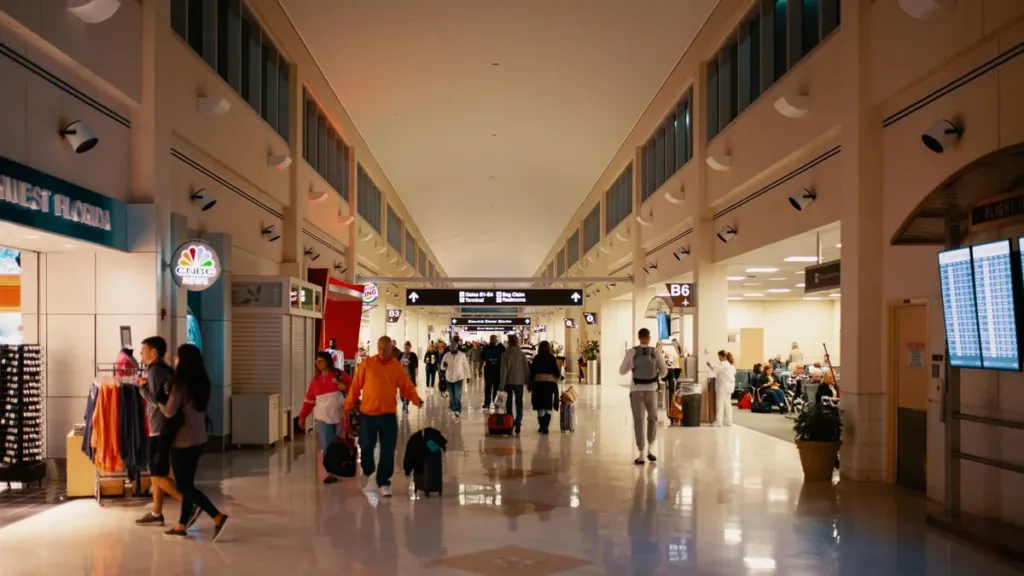
People searching for a Yango Pakistan airport pickup, or the inDrive equivalent, tend to assume the app will behave as it does at Heathrow or Dubai, with a signed ride-share bay and a dedicated lane. Do not assume that. Neither app’s Pakistan page, at the time of writing, sets out airport-specific pickup instructions, and the airport operators’ own pages do not describe a designated app-pickup zone either.
Islamabad International Airport
The airport sits about 25 km south-west of Islamabad, reached by the Srinagar Highway from the capital, the GT Road (N-5) from Rawalpindi, and the M-1 from Peshawar and the north. Its own arrivals procedure page walks through immigration lanes (marked for Overseas Pakistanis, Foreigners, Taxpayers and Special Persons), baggage claim, and the red and green customs channels. After customs, it says passengers can “access the car park, taxis, or rent-a-car services” from the concourse hall. It does not mention app pickups.
That leaves a hailing passenger to agree a meeting point with the driver by phone or in-app chat, in a large forecourt, often after a long-haul flight. The general car park holds 2,200 vehicles, and the airport’s parking page lists a Rs 1,000 fine for vehicles lifted from no-parking zones. Drivers know this, and some will be reluctant to idle anywhere unofficial. Parking charges are revised each July, so check the page if a relative is driving in.
Entry into the terminal building is controlled: the airport asks visitors to carry a CNIC, a ticket or a valid passport at the entrance gate, and screening applies. Anyone meeting you should plan to wait outside the controlled area unless the airport’s current rules say otherwise. If you want the step-by-step version of how a meet-at-arrivals works here, our guide to meeting family at Islamabad or Sialkot airport covers it.
Allama Iqbal International Airport, Lahore
Lahore’s airport is about 15 km from the city centre and has a separate Hajj terminal and a cargo terminal. The airport’s Wikipedia entry mentions CAA porter services and Metro cab services, and notes that nearby roads were improved during the expansion programme, which is still running. As at Islamabad, there is no published app-pickup lane that we could verify. The same practical rule applies: expect to coordinate the meeting point yourself.
Late-night landings and delayed flights
This is where the fixed-arrival problem really bites. If your flight is due in the small hours, assume it may slip by an hour or two and plan the pickup around that possibility rather than the printed time.
An app ride is requested when you are ready. That sounds flexible, and for a punctual daytime arrival it is. The weak points show up at night:
- Connectivity. You need working mobile data the moment you clear customs. A roaming plan that fails, or a Pakistani SIM still sitting in a drawer at home, leaves you without a way to book.
- Supply. Fewer drivers are online at 3am, and the ones who are may not want an airport run with an unknown wait.
- Negotiation fatigue. On inDrive, a tired passenger has to judge a fair offer and then possibly re-offer. On Yango, you may simply see a higher price than you expected and have little recourse.
- The FCDO point above. The advisory’s caution on apps and on moving around at night both apply at once.
A prebooked car works differently. You share the flight number and landing time in advance, and the operator plans the pickup around the schedule rather than around your phone signal. It is worth asking any provider how they handle a delay of several hours, what the waiting terms are, and who you call if the flight diverts. The Islamabad arrivals board is the place to check live timings before the person meeting you leaves home.
Our sister service Pakistan Taxi has written a practical contact plan for arriving in Pakistan late at night, covering who holds which phone number and what to do if the pickup is not where you expected.
Luggage, group size and larger vehicles
Overseas family trips rarely travel light. Wedding outfits, gifts, a car seat and a suitcase of medicines for an aunt add up quickly, and this is the category where the two apps are least helpful for arrivals.
Yango’s Pakistan page lists four options: Economy (it names cars such as the Kia Rio and Volkswagen Polo), Comfort (more legroom and newer cars, with the Mitsubishi Mirage given as an example), Bike, and Rickshaw. There is no listed people-carrier or large-boot class. These are compact saloons and hatchbacks. Fine for a couple with carry-on bags; add several large cases and a child and you are negotiating with the boot lid.
inDrive’s Pakistan page does not set out vehicle classes for city rides at all, so what arrives is whatever the accepting driver owns. You can describe your luggage in the request, but there is no published guarantee of size.
For a group of five or more, or anyone travelling with a wheelchair, the realistic app answer is two cars, two negotiations and two meeting points in a busy forecourt. That is manageable in daylight with a local cousin on the phone. It is less appealing at 4am with a grandparent in tow.
Side-by-side: the two apps against a prebooked arrival car
Here is the comparison that matters for a fixed arrival plan. It is deliberately about how each option works, not about a particular price, because fares move with fuel costs, time of day and demand.
| Factor | Yango | inDrive | Prebooked arrival car |
|---|---|---|---|
| How the price is set | Shown upfront before you confirm | You offer a fare; drivers accept or counter | Quoted in advance on request; confirm terms before you travel |
| Cities listed | Six | Twelve | Depends on the provider’s network |
| Needs your data at landing | Yes | Yes | Not to request the car; still useful for contact |
| Knows your flight | No | No | Yes, if you share the flight number |
| Large vehicle on request | No listed large class | Depends on the driver | Can be requested in advance, subject to availability |
| Fits FCDO operator-dispatch advice | No | No | Closer, if the operator is reputable and dispatches the driver |
| Best for | Short city hops with a known destination | Price-savvy riders; wider city coverage | Night arrivals, families, heavy luggage, elderly passengers |
Read the last column carefully. A prebooked car is not automatically better, and it is usually not the cheapest way to cross a city at midday. Its value is that the logistics are settled before you board.
When a prebooked meet-at-arrivals car is the better call
Put simply, prebook when the cost of the ride going wrong is higher than the cost of the ride. In practice that covers:
- First arrival in Pakistan, or the first in many years, with no local number yet active.
- Night landings, when both app supply and your own energy are at their lowest.
- Families and groups that will not fit a standard hatchback with their bags.
- Elderly or unaccompanied passengers, such as a parent flying in alone from Manchester or Riyadh.
- Onward intercity legs, for example landing at Islamabad and heading straight to Lahore or Jhelum, where a long journey starts from the terminal.
- Weddings and events, when several guests arrive on different flights and someone needs a single schedule.
If any of those apply, start from our airport transfers across Pakistan page, or go straight to the Islamabad airport taxi and transfer page or the Lahore airport taxi and transfer page. Each request is reviewed and confirmed with you; availability and the final fare are agreed before the day, not promised at the moment you submit a form.
If you do use an app: a sensible routine
Many travellers will still use Yango or inDrive for part of a trip, and for daytime errands inside Lahore or Islamabad that is a reasonable choice for residents and repeat visitors. If you do, these habits reduce friction:
- Install and register before you fly. Set up the account, payment method and phone number at home, not in the arrivals hall.
- Sort data first. Confirm your roaming or local SIM works before you rely on it for a ride.
- Check the city. Match your destination against each app’s current city list; do not assume coverage outside the big six.
- Price-check both. In a city both serve, note the Yango upfront price, then see what an inDrive offer at a similar figure attracts. That gives you a benchmark for the rest of the week.
- Describe your luggage. On inDrive especially, say how many cases you have so the accepting driver knows what he is taking on.
- Confirm the car. Match the plate and driver details shown in the app before you load bags.
- Share the trip. Send the ride details to someone at home or at your destination.
Keep the FCDO advice in view as you decide how much to lean on apps, particularly at night.
The same question in Saudi Arabia
Many Pakistani families travel between Pakistan and the Gulf, and the “which app” question comes up again the moment you land in Jeddah or Riyadh, with a different set of apps and rules. Our sister company Saudi Cab Co has a guide to which taxi app to use in Saudi Arabia, and when to book a car instead. If you are combining an Umrah or a Gulf work trip with a visit home, it is worth reading both.
Next step for a fixed arrival
For an app-to-app choice, Yango suits people who want the number settled before the ride, and inDrive suits people who want control and wider city coverage. Neither is designed around a flight that might land two hours late with a family of six and a trolley stacked to shoulder height. For that job, plan the car before you fly. You can send the details through the iDrive journey request form, and the request is reviewed and confirmed with you before the day.
Questions people ask
Is Yango cheaper than inDrive in Pakistan?
There is no fixed answer. Yango shows an upfront price, while inDrive’s fare depends on what you offer and what drivers accept. Compare both for the same trip at the same time of day.
Does Yango do airport pickups in Pakistan?
Yango’s Pakistan page does not publish airport-specific pickup instructions, and the Islamabad airport arrivals page does not describe an app-pickup zone. Expect to agree a meeting point with the driver yourself.
Which app covers more cities, inDrive vs Yango?
At the time of writing, inDrive’s Pakistan page lists twelve cities (Islamabad-Rawalpindi counted as one) and Yango’s lists six. Both cover Lahore, Karachi, Islamabad, Rawalpindi, Faisalabad and Multan.
What does UK travel advice say about ride-hailing apps in Pakistan?
The FCDO advises avoiding street taxis, e-taxis and online taxi apps, and using reputable, licensed companies where an operator dispatches the driver.
Did Careem and Uber leave Pakistan?
Uber ceased ride-hailing in Pakistan in April 2024, and Careem ended its ride-hailing service on 18 July 2025. Careem said its other services would continue.