Your Pakistan. Your Journey.
Driving license verification in Pakistan is done online through the authority that issued the licence: Punjab licences through the DLIMS verify page, National Highways & Motorway Police licences through the NHMP Driving Licence Authority, Sindh licences through the Sindh Police Driving Licence Branch, and Khyber Pakhtunkhwa licences through the Peshawar Traffic Police authentication service. You need the licence number and, for Punjab, the holder’s CNIC or passport number. A successful check tells you the licence exists in the issuing database and, on most portals, which categories it covers. It does not tell you the person in front of you is the holder, that they can drive a 12-seat van through the Kohat tunnel at night, or that the car they arrived in is roadworthy.
That gap is the whole subject of this note. If you are hiring a driver for a family visit, a monthly corporate duty or an airport roster, you want two separate records checked and a clear state attached to each: the driver’s licence, and the vehicle’s registration and condition. Below is how to do both, what each result actually proves, and a simple four-state model for tracking approval so everyone on the buying side knows what has and has not been confirmed.
Decision summary: what to check before you approve a driver
- Match the licence to the issuing portal. The card shows the issuing authority. Check it there, not on a third-party lookup site.
- Match the category to the vehicle. A car licence does not cover a Coaster. For anything carrying paying passengers, look for the public service vehicle (PSV) endorsement.
- Match the person to the record. Compare name and CNIC on the portal result with the original CNIC, in person or on a live video call.
- Check the vehicle separately. Run the registration number through the provincial excise record and compare make, model and colour with what turns up.
- Record the date. A check is a snapshot. Monthly and corporate hires need a re-check schedule, not a one-off tick.
Licence types you will see: LTV, HTV and PSV explained
Pakistani licences are category-based. The labels on the card and on the portal result tell you what the holder is allowed to drive, and they are the first thing to compare against the job. The NHMP Driving Licence Authority’s published document requirements sheet lists its categories and the age band for each. The table below uses those NHMP bands; provincial authorities use broadly similar category names, but always read the card and the portal result rather than assuming.
| Category (NHMP wording) | Typical vehicle in a hire context | NHMP age band | Fits which jobs |
|---|---|---|---|
| Motorcycle / Car / Jeep | Private saloon, hatchback, private-use SUV | 18 and over | Private use only; not the licence you want on a commercial passenger duty |
| Light Transport Vehicle (LTV) | Light commercial vehicles | 21 to 60 | Light commercial work; check for PSV if passengers pay |
| PSV / LTV | Light vehicles used as public service vehicles, i.e. carrying passengers for hire | 22 to 60 | Airport transfers, intercity cars, chauffeur and monthly duties |
| HTV-B | Trucks | 24 to 60 | Freight; not a passenger qualification on its own |
| HTV-PSV | Heavy buses and large coaches | 25 to 60 | Group tours, wedding guest shuttles, staff buses |
Two points from the same NHMP sheet are useful for buyers. First, it lists a medical on Form-B from a government hospital as a requirement for LTV and higher categories. Second, the commercial categories are stepping stones: LTV asks for a car licence held for three years, and PSV/LTV for an NHMP LTV licence held for one. If a driver is presented for a PSV duty and his CNIC puts him past the age band, ask the question before the booking, not at the kerb.
The practical rule is simple. For a paying passenger in a car, MPV or Hiace-type van, you want PSV/LTV. For a Coaster or larger bus, you want HTV-PSV. A plain car licence on a monthly corporate driver is a shortcut worth refusing: if something goes wrong, the first question anyone asks is whether the driver held the right category.
Foreign visitors thinking of driving themselves are a different case. The UK Foreign, Commonwealth & Development Office says in its Pakistan travel advice that you need both the 1968 international driving permit and your UK licence, that the IDP cannot be bought outside the UK, and that driving without the correct documents can lead to detention and a police report. The same page tells travellers to use experienced local drivers on the remote mountain roads of the north, and only in clear weather.
Driving license verification Pakistan: which portal to use
Licences in Pakistan are issued by more than one authority, and each keeps its own record. The card tells you which one issued it. Use that authority’s portal. Aggregator sites that promise to “check any licence in Pakistan” are, at best, a front end for the same government databases and, at worst, a way to harvest CNIC numbers.
Punjab: DLIMS license verification
The Punjab Driving License Information Management System sits inside the provincial government’s Dastak one-window service. Its DLIMS verify page asks you to pick the licence type (regular, international or juvenile) and enter the CNIC or passport number, the licence number and a small arithmetic captcha. If the holder is abroad or you are doing this from Manchester or Dubai before the trip, the page works the same way; you only need the numbers.
Ask the driver for a clear photo of both sides of the card and of the CNIC, then run the DLIMS license verification yourself rather than accepting a screenshot of a result. Screenshots are easy to edit. The live portal is not.
NHMP licence verification
The National Highways & Motorway Police runs its own licensing authority. Its Driving Licence Authority site offers a licence verification page and a separate tracking page for applications in progress, plus published guidance on renewals, duplicates, the practical test and commercial categories including trailer (CE). For NHMP licence verification, use the Licence Verification link in the site menu. If the portal returns nothing, that is not proof of forgery; it can mean the number was typed with a missing digit or the licence was issued by a different authority. Re-check the card’s issuer first.
Sindh: Driving Licence Branch
Sindh Police’s Driving Licence Branch runs dls.gos.pk, which offers online verification for licences in all categories; the result shows the holder’s name, licence number, licence type (learner or permanent, for example) and the categories authorised. The same service is available through the branch’s free app on Google Play. For a Karachi airport pickup or a Hyderabad run, this is the check to use when the card is Sindh-issued.
Khyber Pakhtunkhwa: PTPKP licence check
The Peshawar Traffic Police website, ptpkp.gov.pk, is the official starting point for a card issued in Peshawar. Its online services change from time to time, so look for the licence verification or authentication option rather than relying on an old bookmark. The PTPKP licence check covers Peshawar-issued cards; for other KP districts, confirm the issuing office on the card first. If the site will not load for you, ask the driver to open it on his phone during a video call and show you the result live, with the URL bar visible.
What a verified licence confirms, and what it does not
This is where most checklists stop too early. A green result on a government portal is valuable, but it answers a narrow question.
| Question | Does portal verification answer it? | How to close the gap |
|---|---|---|
| Does this licence number exist in the issuer’s record? | Yes | None needed |
| Which categories does it cover? | Usually, where the portal shows categories | Compare with the card and with the vehicle you are booking |
| Is the person driving the holder? | No | Match name and CNIC to the original CNIC, face to face or on a live call |
| Is it current today? | Where the portal shows status or validity | Record the date of the check and re-check on a schedule |
| Is the driver experienced on this route? | No | Ask directly about the route, season and vehicle; for mountain roads, ask about specific recent trips |
| Is the driver fit to drive a long duty? | No | Agree start, latest finish and rest breaks in writing; for long days, plan a second driver or an overnight stop |
| Is the vehicle legal and roadworthy? | No | Run a separate vehicle check (next section) |
Vehicle approval: registration and fitness
The driver and the car are two different approvals. A well-qualified driver in a car with a borrowed registration plate is still a problem, and it is the part buyers most often skip.
Registration record
Each province’s excise and taxation department keeps the motor vehicle register. Sindh’s is typical: its vehicle search asks for the category (four-wheeler or two-wheeler) and the registration number exactly as it appears on the number plate, then returns the official record after a security check. For a plate registered elsewhere, use the excise department of the province that issued it.
What to compare:
- Make, model and colour on the record against the car that will actually turn up. Ask for a photo of the vehicle with the plate visible, taken on the day of the check.
- The registration number on the plate against the number on the registration document the driver carries.
- Whether the owner shown is the driver, his fleet operator or someone else. A third-party owner is common and not a problem in itself, but you should know who it is.
Commercial use and fitness paperwork
Vehicles used to carry paying passengers generally need commercial paperwork beyond a private registration, such as route permits or fitness certification issued by the provincial transport authority. What exactly is required varies by province and by vehicle class, and it changes, so treat the relevant provincial transport or excise authority as the reference rather than any checklist, including this one. As a buyer, the useful question is simple: “Which commercial documents does this vehicle hold, who issued them, and when do they expire?” A driver or operator who answers that clearly, with the documents in the glovebox, is showing you the kind of paperwork discipline you are paying for.
Physical condition
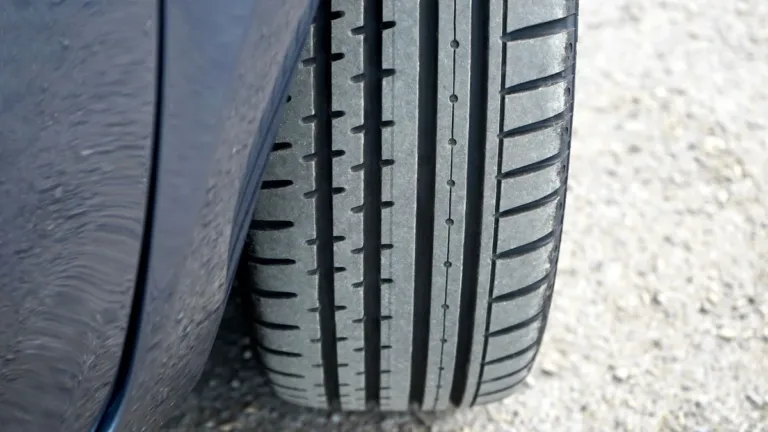
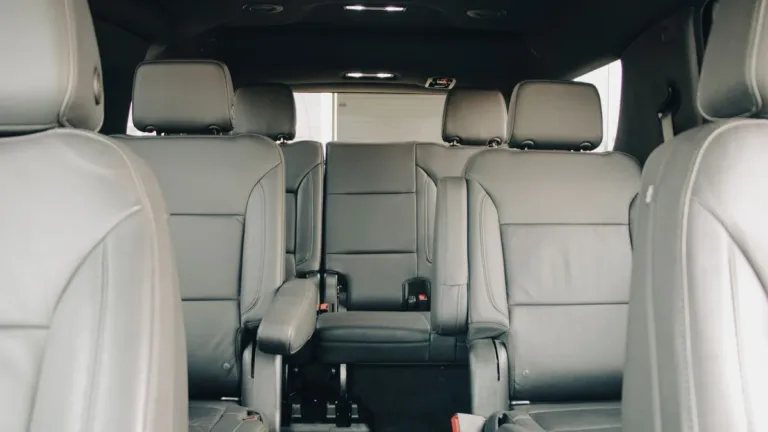
No portal inspects tyres. For long routes such as the M-2 to Lahore or the Karakoram Highway north of Abbottabad, look at tyre tread and the spare, confirm working seat belts in every row you intend to use, and check air conditioning before a summer run through the Punjab plains. If you are comparing vehicle classes for passengers and bags, our vehicle classes page sets out what each class is intended for.
Approval states in a managed booking
Once you are hiring more than one driver, or hiring the same driver for weeks, a yes/no tick stops being enough. A simple set of four states makes it clear what has been checked and by whom. We recommend using these whether you manage drivers yourself or through a provider, and asking any provider, including us, which state a named driver and vehicle are in before a duty starts.
| State | What it means | What has been checked | Can the driver take the duty? |
|---|---|---|---|
| Pending | Documents received, checks not complete | Nothing confirmed yet | No |
| Verified | Licence and vehicle records confirmed on official portals | Licence exists, category fits, CNIC matches, registration record matches the car | Not yet; verification is not the same as approval |
| Approved | A named person has accepted the driver and vehicle for a defined type of duty | Everything in Verified, plus route experience, duty hours and vehicle condition for this job | Yes, for the duty type approved |
| Suspended | Approval withdrawn pending review | A check has lapsed, a complaint is open, or a document has expired | No, until reviewed |
The distinction between verified and approved matters most. Verification is factual: the records exist and match. Approval is a judgement: this driver, in this vehicle, is suitable for airport runs in Islamabad, or for a five-day family trip to Swat, or for a monthly duty for a finance director in Karachi. A driver can be verified and still not approved for a mountain route in March.
Keep the approval scoped. “Approved: city and airport, cars and MPVs” is more useful than “Approved”. If the job changes to a 15-seat van for a wedding convoy, the approval should be revisited, because the category and vehicle checks are different.
Drivers who want to work through iDrive can see what we ask for on our become a driver page.
How to verify a driving licence online: a ten-minute routine
This is the sequence we suggest for a single driver before a first duty. It works from abroad as well as from inside Pakistan.
- Collect the documents. Ask for photos of both sides of the licence card, both sides of the CNIC, the vehicle registration document and a same-day photo of the vehicle with the plate readable.
- Identify the issuer. Read the issuing authority on the card: Punjab, NHMP, Sindh, KP or another.
- Verify the driving licence online on that issuer’s portal. Type the numbers yourself. Note the categories and any status shown.
- Match the category to the vehicle. PSV/LTV for a paying passenger in a car or van; HTV-PSV for a bus.
- Match the person. On a short video call, ask the driver to hold up the original CNIC next to his face. Compare the name and number with the portal result.
- Check the vehicle record. Run the plate through the relevant provincial excise service and compare make, model and colour.
- Ask about commercial documents. Which ones, issued by whom, expiring when.
- Record the result and the date. Put the driver in the Verified state, then decide on approval for the specific duty.
Two cautions. Do not collect more personal data than you need, and store what you collect securely; a CNIC image is sensitive. And do not send CNIC numbers to unofficial lookup services, however convenient they look.
Re-checks for monthly and corporate hires
A licence that was valid when a monthly hire started can lapse halfway through. A vehicle can be swapped for “my cousin’s car, same model” on a Tuesday. The fix is a re-check schedule written into the arrangement from day one.
| Hire pattern | Suggested re-check | Trigger for an immediate re-check |
|---|---|---|
| Single transfer or day hire | Once, before the duty | Driver or vehicle substituted on the day |
| Multi-day family trip | Before departure; vehicle photo each morning if the car may change | Any change of vehicle or driver |
| Monthly driver hire | Monthly portal check; vehicle record at each renewal of the arrangement | Licence or commercial document expiry date reached; complaint; incident |
| Corporate pool of drivers | Monthly for every active driver; quarterly review of approval scopes | New route type (for example, northern areas), new vehicle class, incident |
These intervals are suggestions, not legal requirements. Choose what your risk appetite and your insurer expect, and write it down. For the commercial side of long-term arrangements, see our monthly driver hire page and, for company travel programmes, our business travel car service.
Buying through a provider: what to ask
If you are booking through a platform or operator rather than hiring a driver directly, you are outsourcing the checks above. That is reasonable, but you should still be able to ask:
- Which portal was the licence verified on, and when?
- Which category does it cover, and does it fit the vehicle assigned?
- Has the vehicle record been checked against the car that will arrive?
- What approval state is the driver in, and for which duty types?
- What happens if the named driver or vehicle has to be substituted?
The last question is the one to press on. Substitutions happen for ordinary reasons: illness, a breakdown, a road closure that strands a car on the wrong side of a pass. What matters is that a substitute goes through the same checks before the duty, and that you are told. When you request a journey through iDrive, you can say in the request that you want the assigned driver’s licence category and verification date before you confirm. A request is not a confirmed booking, and no vehicle or driver is assured until it is.
For families who simply want a car and driver for a visit rather than a procurement process, our sister service Pakistan Taxi, part of the iDrive network, has a plain-language car and driver planning page. If your travel continues to Saudi Arabia for Umrah or business, our sister company Saudi Cab Co has a guide to licensed drivers and vehicle standards in Saudi Arabia, where the documents and checks are different.
Questions people ask
Can I verify a Pakistani driving licence from abroad?
Yes. The DLIMS, NHMP and Sindh portals are public web pages that need only the licence details and, for Punjab, the CNIC or passport number. If a portal will not load from your network, ask the driver to open it on a live video call so you can watch the result.
Which licence should a taxi or chauffeur driver hold?
For fare-paying passengers in a car, MPV or van, look for the PSV/LTV category. For a large bus or coach, HTV-PSV. A private car licence alone is not the right category for commercial passenger work.
Does a verified licence mean the driver is safe?
No. It means the licence exists in the issuer’s record and covers certain categories. Identity, route experience, duty hours and vehicle condition are separate checks, which is why verification and approval should be tracked as different states.
What if the portal returns no result?
Re-type the numbers and confirm the issuing authority on the card before drawing conclusions. If there is still no result, keep the driver in the Pending state and ask for an explanation or a different driver.